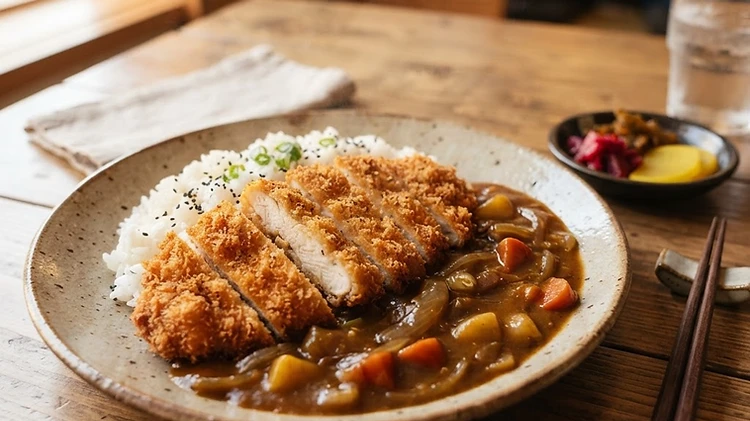
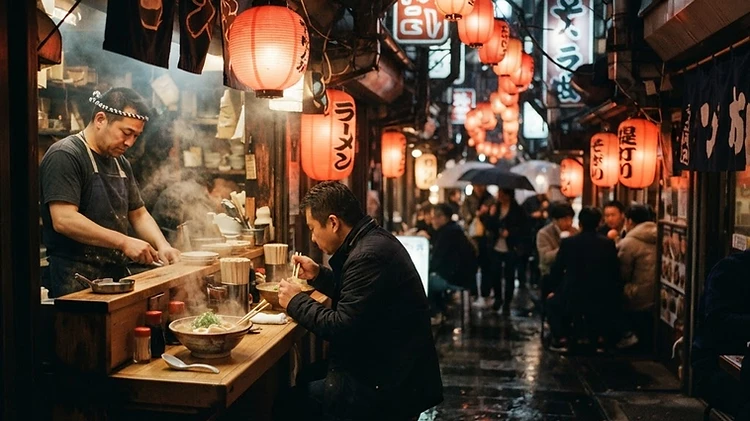
Halal Chicken Katsu Curry (Japanese Curry Rice)
Crisp breaded halal chicken over Japanese curry sauce and rice — Japan's most comforting meal, made halal.
Explore by hashtag
Total time
45 min
Servings
4
Difficulty
Easy
Cuisine
Japanese
Ingredients
- 4 halal chicken thighs, boneless
- 1 onion, sliced
- 1 carrot, cubed
- 1 potato, cubed
- 2 tbsp oil
- 700ml chicken stock or water
- 4 curry roux blocks (check the label) or 2 tbsp curry powder mixed with 2 tbsp flour and 2 tbsp butter
- 1 tbsp soy sauce
- 1 tsp honey
- 1 egg, beaten
- 1/2 cup plain flour
- 1 cup panko breadcrumbs
- 1 litre oil, for shallow frying
- Cooked Japanese short-grain rice
- Fukujinzuke pickles, to serve
Halal Info
For Muslim cooks, the primary concern when preparing this dish is the verification of the curry roux, as many commercial brands incorporate beef fat or pork-based emulsifiers. It is essential to inspect packaging for animal-derived ingredients or alcohol-based flavorings. When sourcing chicken, always ensure it is certified halal to meet dietary requirements. If a suitable commercial roux cannot be verified, creating a bespoke sauce from scratch using wheat flour, butter, and spice blends is the safest method to maintain strict dietary compliance.
Instructions
- 1
Soften the onion in a little oil, then add the carrot and potato and cook for 3 minutes.
- 2
Pour in the stock, add the soy sauce and honey, and simmer for 15 minutes until the vegetables are tender.
- 3
Take the pan off the heat, add the curry roux blocks and stir until they dissolve, then return to a low heat and cook for 3 minutes until the sauce is glossy. Keep it warm.
- 4
Cut each chicken thigh open so it lies flat, then season it and dust it with flour.
- 5
Dip the chicken in the beaten egg, then press it firmly into the panko.
- 6
Heat the oil to 170-180C and fry the cutlets for 3-4 minutes per side until deep golden and cooked through.
- 7
Rest the cutlets on a rack for 3 minutes, then slice them into strips.
- 8
Serve the rice with the curry sauce poured beside it, the sliced katsu on top, and pickles on the side.
Food History
Japanese curry originated from the introduction of British-style curry powder to Japan by the Royal Navy during the late nineteenth century. It was initially adopted as a nutritious meal for military personnel before evolving into a domestic staple that moved away from the intense spiciness of Indian variants. By the mid-twentieth century, the addition of breaded cutlets created the dish known as katsu curry, which grew in popularity across casual dining establishments and homes throughout the country. The development of the solidified curry roux block represented a technological shift in home cooking, allowing for a consistent, thick gravy that appealed to the local palate. While various historical claims exist regarding the precise restaurant of origin for serving cutlets alongside curry, it remains a contested point of culinary heritage. The dish serves as a primary example of yoshoku, a style of Western-influenced Japanese cuisine that transformed imported recipes into distinct national comfort food staples.
Cultural Background
Katsu curry is a quintessential home-cooked meal in Japan, frequently prepared as a hearty dinner for families. Its association with convenience and nourishment makes it a common choice for school lunches or workplace cafeterias, where it is served as a balanced bowl containing protein, starch, and vegetables. Preparing the cutlets together is often considered an act of care, as the labor-intensive process of breading the meat reflects a commitment to the family dining experience. While the core components remain consistent nationwide, regional variations often appear in the thickness of the roux or the specific choice of root vegetables. In some households, the addition of grated apple or honey is a standard technique used to introduce a subtle sweetness that balances the savory notes of the stock. It is a dish that signifies domestic warmth and has successfully bridged the gap between modern convenience culture and traditional Japanese culinary values.
Nutrition
Approx. 780 kcal per serving, 38g protein, 82g carbs, 32g fat.
Recipe by HalalRoute Editorial · Updated Oct 27, 2026
HalalRoute
Recipe Book
The HalalRoute Recipe Book
Every authentic recipe on the site — Indian, Chinese, Turkish, Italian and Western — compiled into one beautifully illustrated PDF, with a photo of every dish, full ingredient lists, step-by-step methods, halal notes and the food culture behind each recipe. Pick the size that suits you.
Taster Book
$5
15 recipes
The first 15 illustrated recipes — a pocket-sized way to try the collection.
Complete Book
$8
25 recipes
Every recipe published on the site, with a photo of each dish.
Complete Book + Bonus
$10
28 recipes
Everything in the Complete Book plus 3 exclusive bonus recipes.
The book grows every time a new recipe is published — buyers are sent the latest edition. New to the collection? first.
