
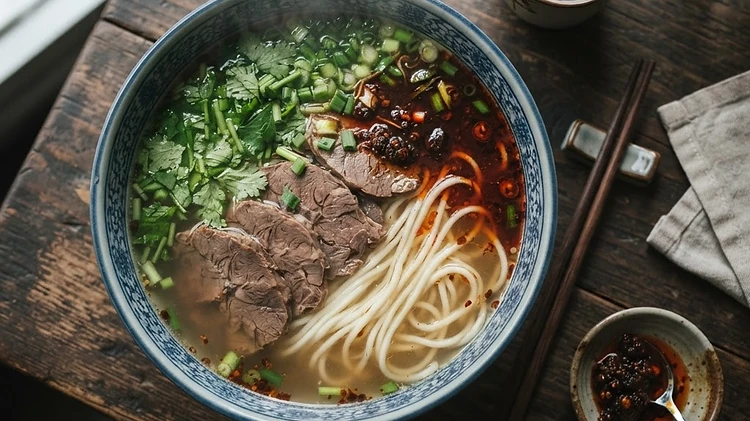
Lanzhou Beef Noodles (兰州拉面)
Hand-pulled beef noodles in a clear, aromatic broth — the signature dish of Lanzhou.
Explore by hashtag
Total time
150 min
Servings
4
Difficulty
Hard
Cuisine
Chinese Muslim (Hui)
Ingredients
- 500g high-gluten flour
- 300g beef brisket
- 1 white radish
- 2 spring onions
- Fresh cilantro
- Chili oil
- Salt
- Star anise, ginger, peppercorns for broth
- #LanzhouBeefNoodles
- #HandPulledNoodles
- #BeefNoodleSoup
- #ChilliOilNoodles
- #SichuanPepper
- #ClearBroth
- #FreshNoodles
- #ChineseNoodleSoup
- #HomemadeNoodles
- #TraditionalNoodles
- #BeefNoodles
- #NoodleSoup
- #ChineseFood
- #FoodTikTok
- #Foodie
- #AsianFood
- #RamenNoodles
- #StreetFood
- #RecipeOfTheDay
- #FoodPorn
Halal Info
To ensure this dish is strictly halal, a cook must source beef certified by a reputable Islamic authority, verifying the animal was slaughtered according to religious rites. While the broth ingredients such as ginger, star anise, and peppercorns are naturally permissible, one must be cautious regarding store-bought chili oils or soy sauces that may contain hidden alcohol or animal-derived emulsifiers. Always check labels for ethanol or pork-based additives. If a recipe calls for rice wine, replace it with a mixture of water and vinegar to maintain the required acidity.
Instructions
- 1
Prepare the dough and rest it for 30 minutes.
- 2
Simmer beef brisket with ginger, star anise and peppercorns for 2 hours to make a clear broth.
- 3
Slice the white radish thinly and blanch.
- 4
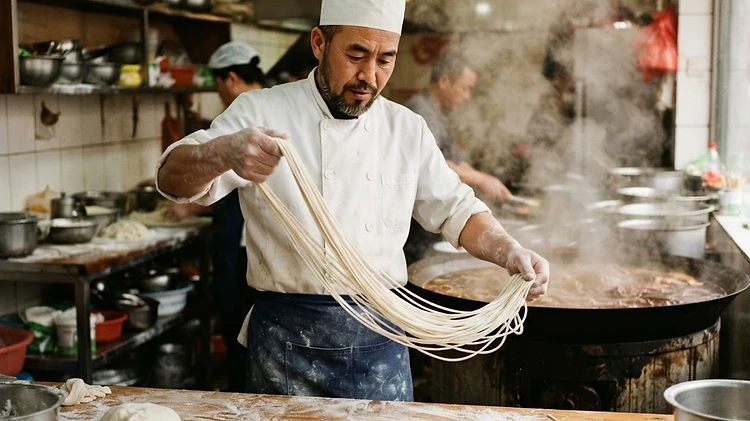
Hand-pull the noodles into your preferred thickness.
- 5
Cook noodles in boiling water for 1-2 minutes.
- 6
Assemble: noodles, broth, beef slices, radish, cilantro and chili oil.
Food History
The precise origins of Lanzhou beef noodles remain a subject of historical debate, though most accounts link the dish to the Qing Dynasty period in Gansu Province. Local traditions often credit a specific scholar or chef with formalizing the recipe during the late nineteenth century, but documented evidence is scarce. The dish evolved from the dietary practices of the local Hui community, who combined wheat noodle techniques with traditional beef-based broths flavored by regional spices. Over several decades, the practice of hand-pulling dough became the defining technical skill for artisans in Lanzhou. This method of stretching elastic, high-gluten flour into long strands requires significant physical strength and precision, creating a unique texture that separates the dish from other regional wheat-based staples across China. While the recipe has been refined by generations of street vendors, its fundamental structure as a meat-based, clear broth soup has remained remarkably consistent across the Northwest frontier throughout the modern era.
Cultural Background
In the Gansu region, this noodle dish is frequently consumed as a morning meal, often served in specialized stalls that open before dawn. For the Hui community, these noodles represent more than daily sustenance; they act as a communal anchor that brings families together in public spaces. The craft is highly esteemed, and apprentices often spend years mastering the rhythm of the dough-stretching process. Variations across the city often depend on the thickness of the noodle, which patrons specify when ordering, ranging from thin, thread-like strands to wide, flat ribbons. Although the core ingredients are standardized to maintain clarity and flavor, individual shops take immense pride in their proprietary blend of aromatic spices used during the long simmering process. This dedication to specific, regional flavors fosters a strong sense of local identity and continuity, ensuring that the culinary tradition is passed down within families and professional networks alike.
Nutrition
Approx. 520 kcal per serving, high protein, moderate fat.
Step by step

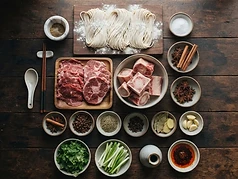

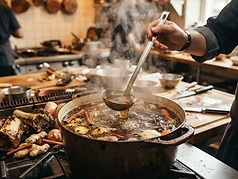

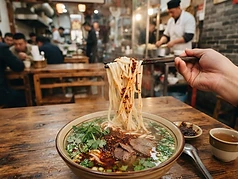
Follow the photos alongside the numbered method above — each picture matches one step.
Recipe by HalalRoute Editorial · Updated Oct 27, 2026
HalalRoute
Recipe Book
The HalalRoute Recipe Book
Every authentic recipe on the site — Indian, Chinese, Turkish, Italian and Western — compiled into one beautifully illustrated PDF, with a photo of every dish, full ingredient lists, step-by-step methods, halal notes and the food culture behind each recipe. Pick the size that suits you.
Taster Book
$5
15 recipes
The first 15 illustrated recipes — a pocket-sized way to try the collection.
Complete Book
$8
25 recipes
Every recipe published on the site, with a photo of each dish.
Complete Book + Bonus
$10
28 recipes
Everything in the Complete Book plus 3 exclusive bonus recipes.
The book grows every time a new recipe is published — buyers are sent the latest edition. New to the collection? first.
