Halal Korean Street Cheeseburger (Smash Burger)
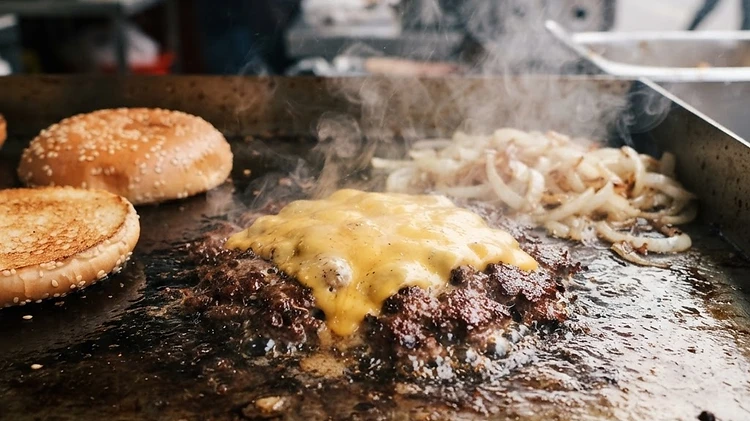
The Korean street-stall cheeseburger: a thin halal beef patty pressed on a screaming-hot griddle, cheese melted over, sweet-savoury sauce in a toasted sesame bun.
Explore by hashtag
Total time
25 min
Servings
2
Difficulty
Easy
Cuisine
Korean
Ingredients
- 300g halal beef mince, 80/20
- 1 tbsp soy sauce
- 1 tsp sesame oil
- 1 clove garlic, grated
- 2 sesame burger buns
- 2 slices cheddar or burger cheese
- 1 small onion, thinly sliced
- 1 tbsp gochujang
- 1 tbsp ketchup
- 1 tsp honey
- 1 tsp sriracha (optional)
- 1 tsp toasted sesame seeds
- Lettuce and pickles, to serve
Halal Info
For a Muslim cook, the foundation of this dish is ensuring the beef mince is certified halal, specifically targeting an eighty-twenty lean-to-fat ratio for the best crust. Verify that the gochujang used does not contain hidden alcohol often used in the fermentation process, as some brands may include trace amounts. Check the sesame burger buns for monoglycerides or emulsifiers that could be derived from non-halal animal sources. If the chosen cheese contains rennet, confirm it is microbial or plant-based to maintain strict dietary compliance.
Instructions
- 1
Mix the beef with the soy sauce, sesame oil and garlic, then divide it into two loose balls. Do not compact them yet.
- 2
Stir the gochujang, ketchup, honey and sriracha into a sauce and set it aside.
- 3
Heat a griddle or heavy pan until it is properly hot — a drop of water should hiss and vanish.
- 4
Scatter the sliced onion on the griddle and cook it for a minute until it softens and starts to brown.
- 5
Put the beef balls on the hot surface and press each one flat and thin with a spatula. Cook for 90 seconds without touching it.
- 6
Flip once, lay a slice of cheese on each patty and cook for one more minute.
- 7
Toast the bun halves cut-side down in the beef fat for 30 seconds.
- 8
Sauce both bun halves, add the patty, a pile of griddled onion, lettuce and pickles, then close and sprinkle with sesame seeds.
Food History
The Korean smash burger is a relatively modern adaptation that synthesizes American-style fast food culture with classic Korean flavour profiles. While the concept of the burger arrived in South Korea through post-war military influence and the gradual westernization of dining habits, the specific style of the thin, crispy-edged smash patty gained immense popularity in Seoul through the emergence of high-end street food stalls and urban burger boutiques during the early 2010s. This hybrid approach reflects a wider trend of Korean chefs refining global comfort foods using local aromatics. There is no singular origin point for this specific recipe, as it represents an organic evolution within contemporary urban food scenes where chefs began experimenting with traditional ingredients like gochujang and sesame oil to elevate the standard beef sandwich. It is a dish that highlights the dynamic ability of Korean culinary traditions to absorb international influences while retaining a distinct, bold flavour identity. Technically, this preparation draws from historical methods of flat-top frying seen in mid-century diners, but it is executed with a distinctly local focus on texture and layering. By incorporating pantry staples like soy sauce and honey directly into the patty or the accompanying glaze, the dish shifts away from simple salt and pepper seasoning. This transformation aligns the burger with the broader palate of Korean grilled meats, where the marriage of sweet, savoury, and fermented notes remains paramount. The process of pressing the beef firmly onto a searing surface is designed to maximize the Maillard reaction, ensuring a contrast between the deeply browned exterior and a tender, savoury interior that mirrors the appeal of classic charcoal-grilled bulgogi, albeit served in a modern, portable format.
Cultural Background
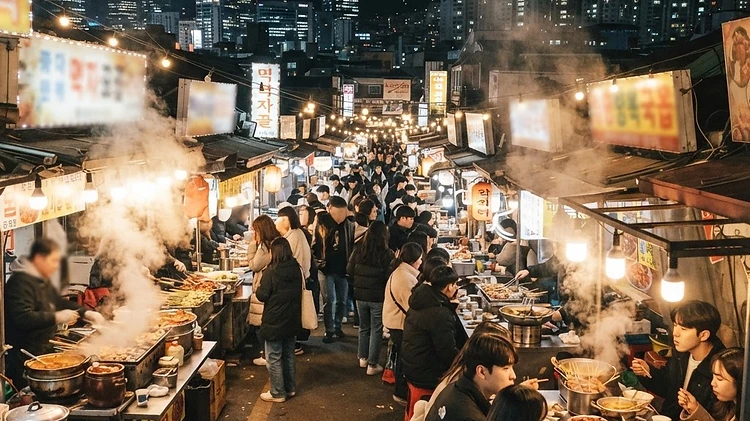
In contemporary South Korean society, these smash burgers are quintessential urban convenience food. They are frequently enjoyed as a quick lunch by office workers or as a late-night treat found at bustling night markets and roadside food trucks. Unlike traditional sit-down meals that involve communal grilling, this dish offers a fast, individualistic experience that caters to the frantic pace of modern city life. It is not traditionally associated with domestic home cooking, but has become a symbol of youth-oriented food culture where tradition meets global trends. Families might occasionally prepare these at home as a weekend indulgence, but the dish carries a distinct aura of the vibrant, neon-lit street food scene. Regional variations remain fluid, as different stalls experiment with kimchi-infused toppings, pickled radishes, or varied spicy sauces, ensuring the burger remains a canvas for innovation rather than a static recipe that is rigidly defined by geography or lineage.
Nutrition
Approx. 620 kcal per burger, 34g protein, 42g carbs, 32g fat.
Recipe by HalalRoute Editorial · Updated Oct 27, 2026
HalalRoute
Recipe Book
The HalalRoute Recipe Book
Every authentic recipe on the site — Indian, Chinese, Turkish, Italian and Western — compiled into one beautifully illustrated PDF, with a photo of every dish, full ingredient lists, step-by-step methods, halal notes and the food culture behind each recipe. Pick the size that suits you.
Taster Book
$5
15 recipes
The first 15 illustrated recipes — a pocket-sized way to try the collection.
Complete Book
$8
25 recipes
Every recipe published on the site, with a photo of each dish.
Complete Book + Bonus
$10
28 recipes
Everything in the Complete Book plus 3 exclusive bonus recipes.
The book grows every time a new recipe is published — buyers are sent the latest edition. New to the collection? first.