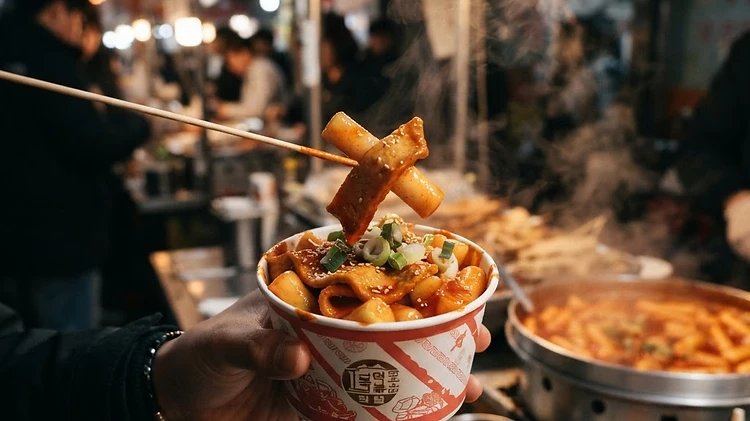
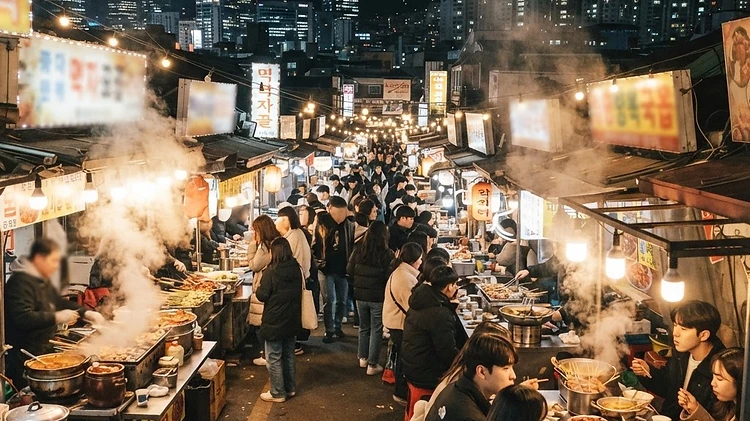
Halal Tteokbokki (Korean Street Rice Cakes)
Korea's favourite street snack made halal: chewy rice cakes in a sweet-spicy gochujang sauce.
Explore by hashtag
Total time
25 min
Servings
3
Difficulty
Easy
Cuisine
Korean
Ingredients
- 400g tteok (Korean rice cakes)
- 3 tbsp gochujang (check it is alcohol-free)
- 1 tbsp gochugaru (Korean chilli flakes)
- 1 tbsp soy sauce
- 1 tbsp honey or sugar
- 2 cloves garlic, grated
- 400ml water or light stock
- 100g halal-certified fish cake (optional)
- 2 spring onions, sliced
- 1 tsp sesame oil
- Sesame seeds to finish
Halal Info
For a halal-compliant version, the primary concern is the composition of the gochujang, as some commercial brands incorporate alcohol or fermented vinegar containing trace amounts of ethanol during the processing phase. Cooks must verify that the paste is certified halal or strictly alcohol-free. Furthermore, if including fish cakes, ensure the manufacturer has halal certification, as these products often contain mirin or other non-compliant additives. If verified halal options are unavailable, replace them with hearty mushrooms or tofu to maintain the essential depth of the dish.
Instructions
- 1
Soak the rice cakes in warm water for 10 minutes if they are refrigerated, then drain.
- 2
Stir the gochujang, gochugaru, soy sauce, honey and garlic together with a little of the water to make a smooth sauce.
- 3
Bring the rest of the water to a simmer in a wide pan and stir in the sauce.
- 4
Add the rice cakes and the fish cake, if using, and simmer for 8-10 minutes, stirring, until the sauce thickens and coats the cakes.
- 5
Add the spring onions and sesame oil and cook one more minute.
- 6
Finish with sesame seeds and serve hot, with boiled eggs on the side if you like.
Food History
Tteokbokki originated as a royal court dish known as gungjung tteokbokki, which was a non-spicy stir-fry featuring sliced rice cakes, beef, and vegetables seasoned with a soy sauce base. This version was documented in late Joseon dynasty cookbooks as a sophisticated delicacy served to the monarchy. It was not until the mid-twentieth century that the modern, spicy iteration gained national prominence following the Korean War. A street food vendor in the Sindang-dong district is often credited with popularizing the gochujang-based sauce that defines today's preparation. As commercial production of gochujang became more accessible, the dish transitioned from an elite banquet item to an ubiquitous snack. Its evolution reflects the broader shifts in Korean agricultural trends and the increased availability of processed chili paste, cementing its status as an iconic street food that represents both historical continuity and mid-century culinary innovation.
Cultural Background
This dish occupies a central role in South Korean social life, serving as a primary comfort food for students and office workers alike. It is frequently enjoyed at street-side stalls called pojangmacha, where people gather after school or work for quick, affordable meals. The communal act of sharing a plate of tteokbokki signifies a casual, familiar social bond, often paired with fried snacks like gimari or deep-fried dumplings to balance the intense spice of the sauce. Families often prepare simplified versions at home, viewing it as a nostalgic treat that ties them to their own childhood memories. While the spicy red sauce remains the national standard, regional variations exist. In some areas, extra ingredients like boiled eggs or glass noodles are added to make the meal more substantial. Regardless of the location, the focus is always on achieving the perfect chewy texture of the rice cake itself.
Nutrition
Approx. 430 kcal per serving, 12g protein, 78g carbs, 9g fat.
Recipe by HalalRoute Editorial · Updated Oct 27, 2026
HalalRoute
Recipe Book
The HalalRoute Recipe Book
Every authentic recipe on the site — Indian, Chinese, Turkish, Italian and Western — compiled into one beautifully illustrated PDF, with a photo of every dish, full ingredient lists, step-by-step methods, halal notes and the food culture behind each recipe. Pick the size that suits you.
Taster Book
$5
15 recipes
The first 15 illustrated recipes — a pocket-sized way to try the collection.
Complete Book
$8
25 recipes
Every recipe published on the site, with a photo of each dish.
Complete Book + Bonus
$10
28 recipes
Everything in the Complete Book plus 3 exclusive bonus recipes.
The book grows every time a new recipe is published — buyers are sent the latest edition. New to the collection? first.