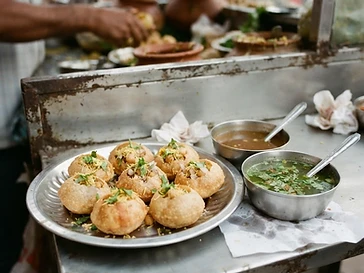
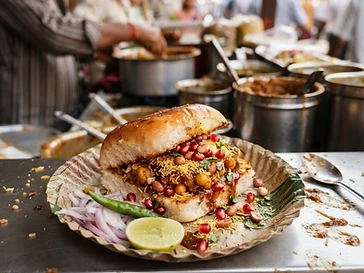
Naan (Tandoor Flatbread)
Soft, blistered flatbread baked in a tandoor — the perfect accompaniment.
Explore by hashtag
Total time
70 min
Servings
6
Difficulty
Medium
Cuisine
Indian Muslim
Ingredients
- 500g flour
- Yogurt
- Warm milk
- Yeast
- Salt
- Nigella seeds
Halal Info
For a Muslim cook, ensuring this recipe remains halal is straightforward as the core ingredients are naturally permissible. It is important to verify that any yogurt used contains only halal-certified cultures and no animal-derived gelatin or stabilizers. While this specific flatbread is vegetarian, care should be taken to avoid cross-contamination if the cooking surface was previously used for pork or non-halal meat products. If opting for a store-bought glaze, ensure no alcohol-based extracts are included in the flavoring, as these are prohibited.
Instructions
- 1
Make a soft dough with flour, yogurt, milk, yeast and salt.
- 2
Rest 1 hour until doubled.
- 3
Shape into ovals and top with nigella seeds.
- 4
Bake in a very hot tandoor or oven until puffed and blistered.
Food History
The origins of naan are deeply intertwined with the introduction of the tandoor oven to the Indian subcontinent, a practice that gained prominence during the Mughal era. While flatbreads have been staple sustenance in various forms for millennia, the specific combination of leavened dough baked against the inner clay walls of a cylindrical oven became a defining feature of North Indian culinary tradition. Historical accounts often link its evolution to the dietary preferences of Persian and Central Asian influences that permeated the royal kitchens of Delhi. Over centuries, this method transitioned from aristocratic tables to the bustling street markets of the Punjab region. The technical requirement of high-temperature clay ovens restricted its availability until the refinement of communal baking, where neighborhood bakers provided fresh bread to the local populace. This practice established naan as a foundational component of the region's historical diet, transcending its initial exclusivity to become a ubiquitous symbol of Northern Indian gastronomy.
Cultural Background
In North Indian communities, naan serves as the essential vessel for communal meals, traditionally accompanying rich, slow-cooked gravies and kebabs. It is rarely consumed in isolation, instead functioning as a focal point for social interaction during festive celebrations, weddings, and daily evening gatherings. The act of tearing a fresh, steaming piece of naan is a gesture of shared sustenance, reflecting the importance of hospitality within the household. While the classic plain variety remains the gold standard, regional variations frequently emerge through the incorporation of local aromatics like garlic, cilantro, or spiced minced lamb, known as keema naan. In Muslim households, these breads are frequently prepared in larger quantities to serve extended families, with the dough often being enriched with yogurt to achieve a signature soft texture. This practice preserves a connection to ancestral cooking methods, ensuring that the preparation of traditional hearth-baked bread remains a valued skill passed down through consecutive generations.
Nutrition
Approx. 260 kcal per naan.
Recipe by HalalRoute Editorial · Updated Oct 27, 2026
HalalRoute
Recipe Book
The HalalRoute Recipe Book
Every authentic recipe on the site — Indian, Chinese, Turkish, Italian and Western — compiled into one beautifully illustrated PDF, with a photo of every dish, full ingredient lists, step-by-step methods, halal notes and the food culture behind each recipe. Pick the size that suits you.
Taster Book
$5
15 recipes
The first 15 illustrated recipes — a pocket-sized way to try the collection.
Complete Book
$8
25 recipes
Every recipe published on the site, with a photo of each dish.
Complete Book + Bonus
$10
28 recipes
Everything in the Complete Book plus 3 exclusive bonus recipes.
The book grows every time a new recipe is published — buyers are sent the latest edition. New to the collection? first.