I Ate Only Halal Food in Japan for 3 Days: What I Found in Tokyo
Three days of eating halal in Tokyo: where the halal kitchens are, what to read on a label, and the Japanese dishes a Muslim traveller can enjoy.
Japan has a reputation for being difficult for Muslim travellers, and three days of eating only halal in Tokyo showed me the opposite — with a bit of planning and a lot of label reading.
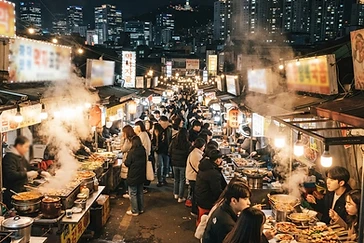
Where halal food concentrates. Shin-Okubo, Tokyo's Korean town, has halal Korean and Turkish restaurants and halal groceries. The streets around the central mosque area in Otsuka and Yoyogi are the other hub, with Turkish and Middle Eastern kitchens, halal butchers and bakeries. Asakusa, Ueno and the big shopping districts have Muslim-friendly spots, and Narita and Haneda airports both have prayer rooms.
Breakfast from a convenience store. This is more doable than it sounds. Salmon onigiri, umeboshi rice balls, plain egg sandwiches, fruit and yoghurt are usually fine. Skip anything with ham or pork, and check the sauce and marinade ingredients — some contain mirin or cooking sake. Halal-certified bento shops and groceries near the mosque areas sell ready meals you can carry.
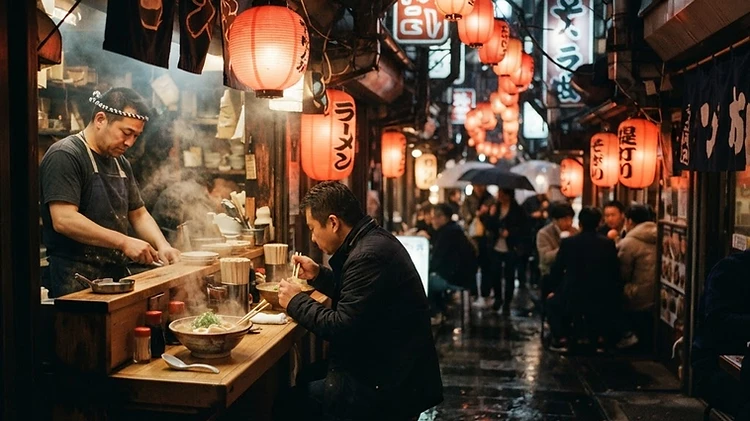
Halal ramen. Ramen is the dish people worry about most, because tonkotsu broth is pork and many shops cook pork chashu in the same pot. Halal-certified ramen shops in Tokyo solve this by using chicken or fish broth, halal chicken and no alcohol in the tare. Look for the certificate on the wall rather than the menu translation.
Sushi. Fish with scales and fins is halal, and sushi rice is seasoned with rice vinegar, not sake, so a simple nigiri set is usually fine. Watch for mirin in glazes, crab and imitation crab, and unagi sauces that may contain alcohol.
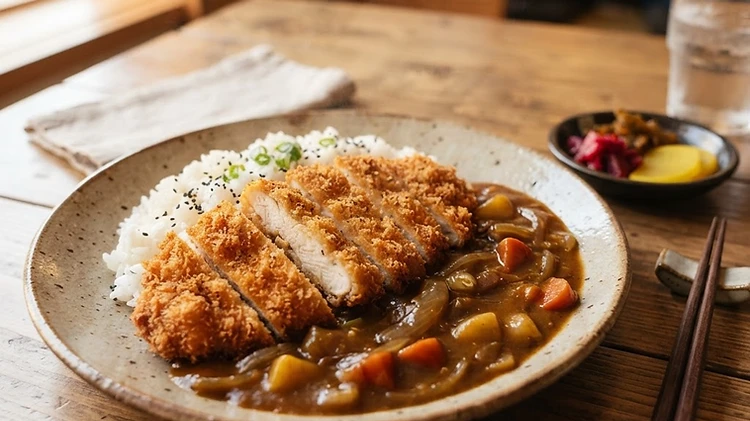
Katsu curry and curry rice. Japanese curry roux blocks sometimes contain beef fat or gelatine and a little alcohol, which is why halal katsu curry is usually made with a certified roux or from scratch with curry powder. A few Tokyo shops advertise certified halal katsu curry; elsewhere, ask about the roux before ordering.
Yakiniku and wagyu. Grilled meat is the meal most travellers want in Japan, and there are halal-certified yakiniku restaurants and halal wagyu suppliers. If you cannot find one, choose chicken or seafood grills at a restaurant that grills beef and pork on separate equipment.
Sweets and snacks. Mochi, dango and most rice-based sweets are fine. The traps are pork gelatine in gummy sweets and marshmallows, alcohol in some chocolate fillings, and lard in the occasional pastry. Read the ingredients or buy the rice-cracker kinds, which are usually safe and cheap.
Prayer and practicalities. The central mosque is the anchor of Muslim life in Tokyo, with restaurants and halal groceries around it. Several malls and airports have prayer rooms, and the mosque area is where you stock up on halal meat for cooking. Supermarkets away from those areas rarely carry halal meat.
A three-day plan that worked. Day one: Shin-Okubo for halal Korean food and a halal ramen dinner. Day two: Asakusa in the morning, halal katsu curry or a certified yakiniku lunch, convenience-store snacks for the train. Day three: the mosque area for Turkish lunch, a halal grocery run and a taste test of Japanese sweets that pass the label check.
The verdict. Japan is genuinely doable halal, but the work is in labels, not restaurants. Staff are careful and helpful once they understand the question, and a photo of a certification mark on your phone makes the conversation much easier.
Sources
Travel notes based on Tokyo's halal food areas and Muslim-friendly certification practice. Menus and certifications change, so confirm at the door.
Explore by hashtag