Halal Street Food in Korea: What You Can Eat in Seoul
From Itaewon to the night markets: what a Muslim traveller can actually eat in Seoul, and what to check before ordering.
Korea is not a halal-eating destination the way Malaysia or Turkey is, but Seoul has a real halal food scene, concentrated around the Seoul Central Mosque in Itaewon, where Muslim students, workers and travellers eat every day.
Where to start. The streets around the mosque in Itaewon have halal Korean restaurants, Middle Eastern and Turkish places, and halal groceries. A handful of Korean kitchens are halal-certified and serve the dishes that are otherwise hard to find halal: tteokbokki, bulgogi, fried chicken and gimbap.
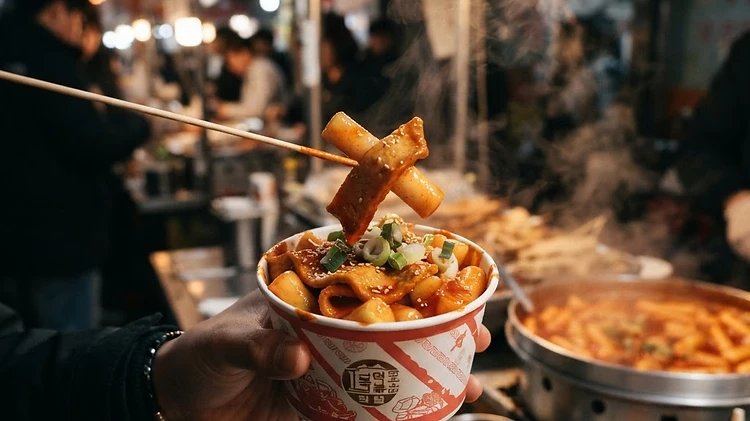
What you can eat. Tteokbokki — rice cakes in chilli sauce — where the fish cake is halal-certified. Bulgogi or dak-galbi made with halal beef or chicken. Korean fried chicken from halal-certified outlets. Gimbap without ham. Corn dogs, hotteok and bungeoppang from stalls that use vegetable fillings instead of sausage.
What to check. Pork is everywhere in Korean food: in gimbap, in ramyeon broths, in mandu, and in kimchi recipes made with fish sauce or shrimp. Some marinades and sauces also contain alcohol or cooking wine. Ask, or look for the halal certification mark the restaurant displays.
Seafood. Grilled mackerel and fish stews are common, and fish with scales and fins is halal. Shellfish, squid and octopus are not eaten by many Muslims, so check before ordering a seafood stew.
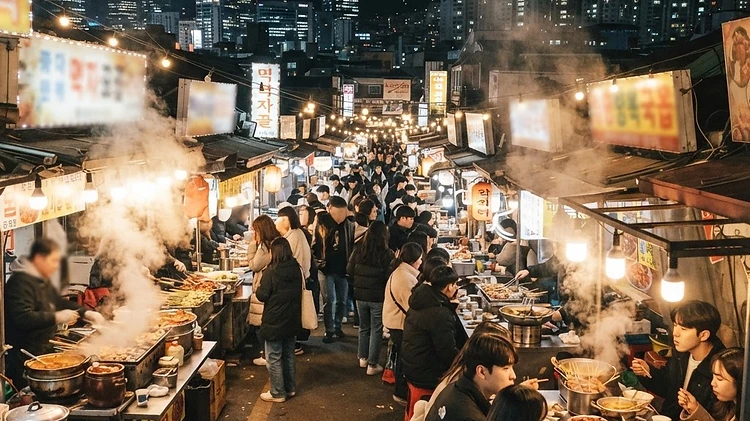
Night markets. Gwangjang and the Seoul night markets are wonderful and crowded with food stalls, most selling pork and beef dishes side by side. Ask at each stall rather than assuming. Vegetable stalls, rice-cake stalls, fruit stalls and some seafood stalls are the safest ground.
Outside Seoul. Busan and Jeonju have Muslim-friendly restaurants, and halal-certified Korean chains have spread with the country's Muslim student and worker population. Muslim-friendly certification marks are increasingly common at tourist restaurants, but they do not always mean fully halal — read what the mark covers.
The practical tip that makes all of this easier: learn four words, halal, and the Korean for pork, no pork and alcohol. Showing a translation on your phone works too, and Korean staff are usually careful once they understand the question.
Sources
Travel guide based on the halal food scene around Seoul's central mosque area and Korean Muslim-friendly certification practice.
Explore by hashtag