Cheapest Halal Grocery Shopping in the USA: Where Your Money Goes Furthest
Ethnic markets, warehouse clubs and bulk buying — how to cut the halal grocery bill in America without eating badly.
The most expensive way to eat halal in America is to buy a halal-labelled version of everything at a mainstream supermarket. The cheapest way is to buy the same food where the community buys it.
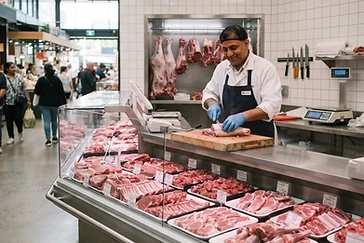
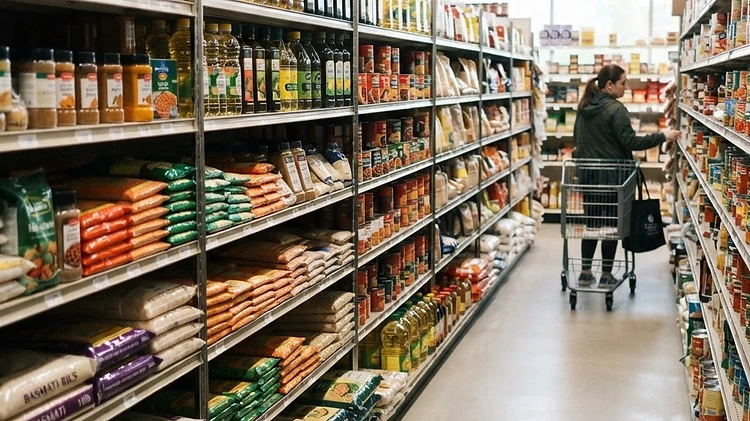
Muslim and ethnic grocery markets. A South Asian, Arab, Turkish or African grocery usually beats the big chains on rice, lentils, flour, spices, oil, frozen flatbread and halal meat. Bags of basmati come in 5kg and 10kg weights, spices are sold in bulk and refilled by weight, and lamb and goat are often cut to order at a lower price than the supermarket's lamb.
Buy the staples in bulk, not the boxed mixes. A sack of rice, a bag of flour, a tin of ghee, a case of oil — these are the items where the gap between a Muslim grocer and a supermarket is widest, and they keep for months.
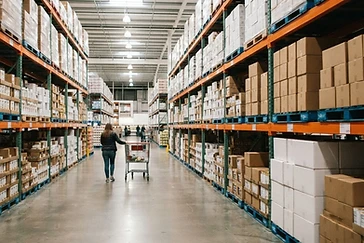
Warehouse clubs. Costco, Sam's Club and similar are worth the membership for a large family: bulk rice, oil, eggs, frozen chicken and household supplies. Their halal range is limited, so treat them as the place to buy everything that is halal by nature, not the place to buy halal meat.
Restaurant supply stores. If someone in the household owns a business, a cash-and-carry membership changes the meat bill completely — but it means case quantities and a business licence, and it is rarely worth it for a family of three.
Discount chains and the regular supermarket. Aldi, Lidl and own-brand ranges at Walmart cover pantry basics at low prices, and their labels are as easy to check as anyone's. Frozen vegetables, tinned chickpeas and dried beans cost a fraction of fresh.
Buy the animal, not the tray. Half a lamb or a quarter of a beef share from a halal butcher or a farm co-op costs far less per kilo than cuts in trays, if you have the freezer space. Many halal butchers take group orders before Eid, when prices drop.
Plan the week around what is cheap. Chicken thighs instead of breasts, lamb shoulder instead of chops, chickpeas and lentils as the base of the meal, rice or flatbread on the side. The dishes most Muslim families already cook — biryani, haleem, karahi, shorba — were built on cheap cuts.
Cash, coupons and unit prices. Many small halal grocers give a better price for cash and post their specials on their own social pages rather than in a flyer. Comparing price per kilo instead of price per pack is the single habit that saves the most.
A simple order of operations: ethnic market for rice, spices, oil and meat; warehouse club for bulk basics; discount chain for everything else; and the halal butcher for a freezer share a few times a year.
Sources
Shopping guide based on typical pricing in American Muslim and ethnic grocery markets. Prices vary by city and season.
Explore by hashtag