How to Buy Halal Meat in the USA: A Practical Guide
Where halal meat is sold in America, what the labels mean, and how wholesale buying at restaurant supply stores works.
Buying halal meat in America is easier than it was ten years ago, but the label still needs reading. 'Halal' on its own is a claim; a certification logo with an organisation's name behind it is the thing to look for.
Start with what the words mean. Halal meat should come from an animal slaughtered by a Muslim with a swift cut, the name of God pronounced, and the animal alive and healthy at the point of slaughter. Zabiha is the word many American Muslim families use for meat they are satisfied on this point. Some certification schemes allow stunning before slaughter and others do not, so if that matters to you, check the certifier's own rules rather than the shop sign.
Certification bodies. Several organisations certify halal meat and processed foods in the United States, including IFANCA and the Islamic Services of America, along with regional certifiers linked to local mosques. For processed items — sausages, nuggets, samosas, frozen meals — the certifier's logo and a certificate number on the pack is what you want, because that is where non-halal ingredients hide.
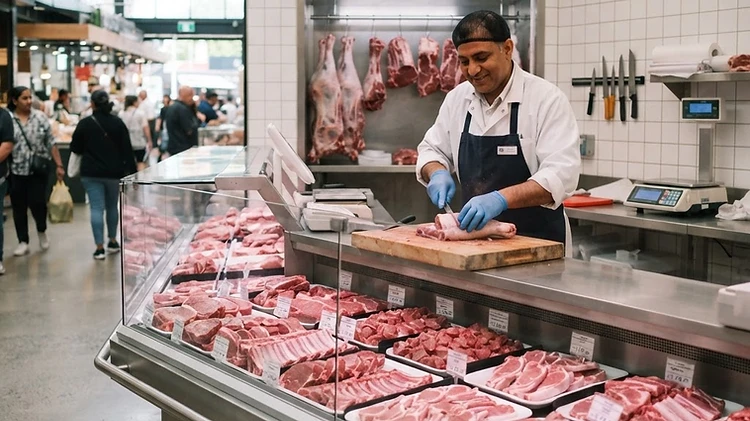
Halal butchers and Muslim grocers. The most reliable source is still a halal butcher, often in a Muslim neighbourhood or a South Asian, Arab, Turkish or African grocery. They buy whole animals or cuts and cut to order. Prices for lamb and goat are often lower than the supermarket, and a good butcher will tell you which slaughterhouse the meat came from if you ask.
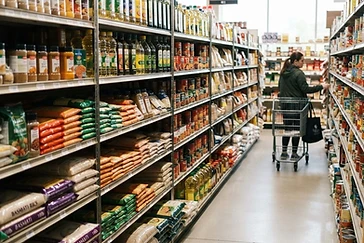
Supermarkets and the big chains. Larger chains now stock halal-certified chicken, and freezer aisles carry halal marinated meats. Read the fine print: a halal claim on the front of a pack is only as good as every ingredient listed on the back.
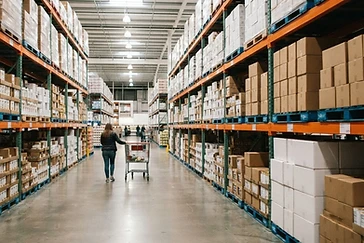
Restaurant supply and wholesale. This is where the Restaurant Depot question comes in. Restaurant Depot is a wholesale cash-and-carry warehouse that supplies restaurants and food businesses, with branches across the United States. It sells meat, rice, oil and frozen goods at trade prices, sometimes including halal lines — but membership is for businesses. You apply with a business licence and a tax or resale certificate, and you buy by the case, not by the single pack. If you run a restaurant, a catering business or a large household buying meat by the case, the saving is real. For one family doing a normal weekly shop, it is usually not worth the membership.
Reading a label at the counter. Check for a halal claim plus a certifier's mark, check the country of origin and the plant number, and for mince and processed meat ask for a sealed pack rather than loose product from a counter that also handles pork.
Avoiding cross-contamination. In a mixed shop, ask the butcher to cut on a clean board with a clean knife and to wrap your meat separately. A simple 'can you do that separately, please' is understood almost everywhere.
Fish and everything else. Fish with scales and fins is halal for a Muslim without slaughter, and fresh produce, pulses and rice are halal by nature. The usual traps are in desserts and sauces: alcohol-based extracts, cooking wine and gelatine. Check those labels in the same way.
Finally, ask. Butchers and grocers in Muslim neighbourhoods answer this question every day and they know which of their suppliers are certified. The answer you want is a name — the certifier or the slaughterhouse — not just a nod.
Sources
Guide based on halal certification practice in the United States and restaurant supply membership rules. Check labels and certifiers yourself before buying.
Explore by hashtag