New Halal Products at Costco and the Energy Drink Question: A Halal Food Review
What is actually worth buying in bulk at warehouse clubs, how to check a product in the aisle, and whether energy drinks are halal.
Warehouse clubs are where large halal families buy in bulk, and the ranges have quietly got better. Here is what is genuinely worth the membership, how to check a product without standing in the aisle for twenty minutes, and the energy drink question.
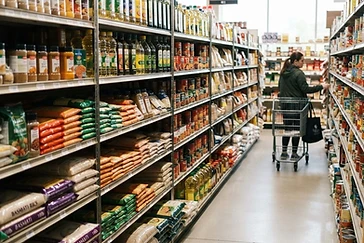
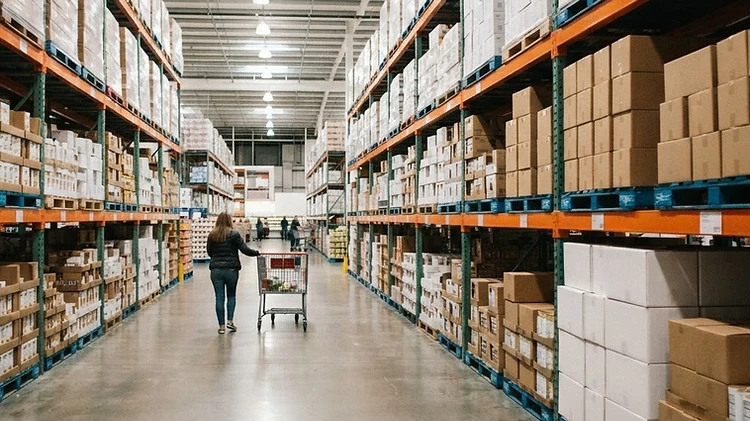
What warehouse clubs do well. Bulk basmati rice, cooking oil, dates, tinned chickpeas and tomatoes, huge bags of frozen vegetables, bulk spices and jumbo packs of frozen chicken. The price per kilo on those items is hard to beat anywhere else.
Where the halal finds are. Frozen samosas and spring rolls, halal beef patties and burger patties, halal-certified chicken in family packs, marinated chicken and, in season, lamb. Warehouse clubs also stock plain frozen fish and prawns, which are halal by nature and often cheaper per kilo than the supermarket.
How to check a product in the aisle. Look for a certification logo on the pack and a certificate number. Then read the ingredients panel for gelatine, lard, animal fat, mono- and diglycerides, natural flavours, enzymes and alcohol. Check the country of origin and the plant number. If the pack is not clear, photograph the label and check the certifier's own site at home before you fill the trolley.
The trap with own-brand products. The same label is often produced by different suppliers for different regions, so a product that is halal in one city may not be in another, and recipes change without the packaging changing much. Buy one pack, read it, and only then stock up.
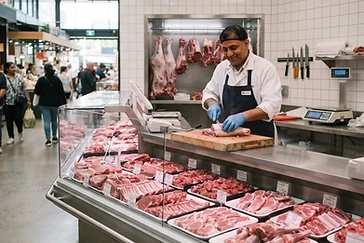
Cross-contamination. In a store that handles pork, sealed packs are safer than loose trays. At a meat counter, ask whether the halal lines are cut on separate equipment, and ask for the meat to be wrapped separately.
The bulk buys worth it for halal cooking. Whole chickens or family packs of chicken thighs, beef mince in two to three kilo packs, frozen halal patties, giant bags of rice and oil, dates by the tub, and bulk spices. Buy whole chickens and joint them at home — that is where the biggest saving is.
Now the energy drink question. The ingredients Muslims usually look at are these: alcohol (mainstream energy drinks do not contain it, but flavoured variants and some imported formulations should be checked), taurine (almost always synthetic), L-carnitine (usually synthetic, but it can be animal-derived, so check with the manufacturer if the label does not say), gelatine (in gummy-style energy supplements), carmine and cochineal (red colouring from an insect), and natural flavours, which are usually fine although a small number of Muslims avoid them because alcohol can be used as a carrier solvent.
What is not a halal issue. Caffeine is halal. Sugar, sweeteners, vitamins, citric acid, carbonated water and most preservatives are halal. Vitamin D from lanolin is fine.
The verdict on energy drinks. The mainstream brands are generally treated as halal by most Muslims, because nothing in the ingredients list is animal-derived or alcoholic. But check each flavour and each country's formulation, and for a ruling on one specific product, ask a scholar you trust rather than a blog.
A health note while we are here. Halal is not the same as harmless: energy drinks are high in caffeine and sugar, and the sensible reading is the same as anyone else's — occasionally, not daily.
The shopping list. Bulk rice and oil, dates, frozen halal chicken, halal beef patties, tinned chickpeas and tomatoes, frozen vegetables, big bags of spices, and a pack of energy drinks only if you have checked the label first.
Sources
Review based on halal certification practice and typical warehouse club ranges. Product lines and formulations change by region, so check the pack before buying in bulk.
Explore by hashtag